
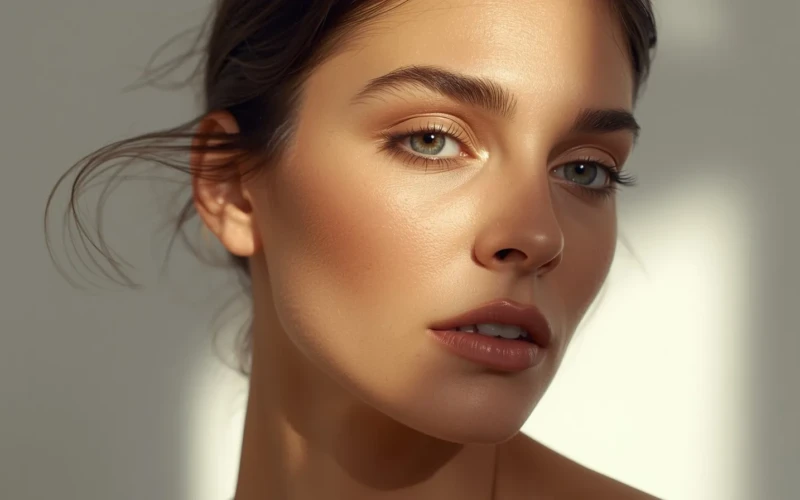
What Makes High-End Photo Editing Different from Basic Editing
High-end photo editing goes beyond simple fixes and quick adjustments. It focuses on fine details that make an image look clean, natural, and professional. Instead of just correcting light or color, it carefully improves skin, texture, and balance. Every change is done with purpose, not rushed or overdone. This level of editing helps photos look polished without losing their real feel. That is why it is often used for brands, ads, and premium visuals.
Basic editing, on the other hand, is more about quick improvements. It usually includes simple color correction, cropping, or brightness fixes. While it helps images look better, it does not focus on small details. High-level work takes more time, skill, and attention. The goal is not just to fix mistakes but to improve the overall look. Understanding this difference helps you choose the right editing style for your needs.
What Makes High-End Photo Editing Stand Out
High-end photo editing stands out because it focuses on quality, detail, and balance. Instead of making fast changes, each adjustment is done with care and purpose. Skin looks smooth but still natural, and textures are kept realistic. Colors are corrected to look clean and true, not too bright or dull. Lighting is refined to highlight the subject without losing important details. The final image feels polished, clear, and professional.
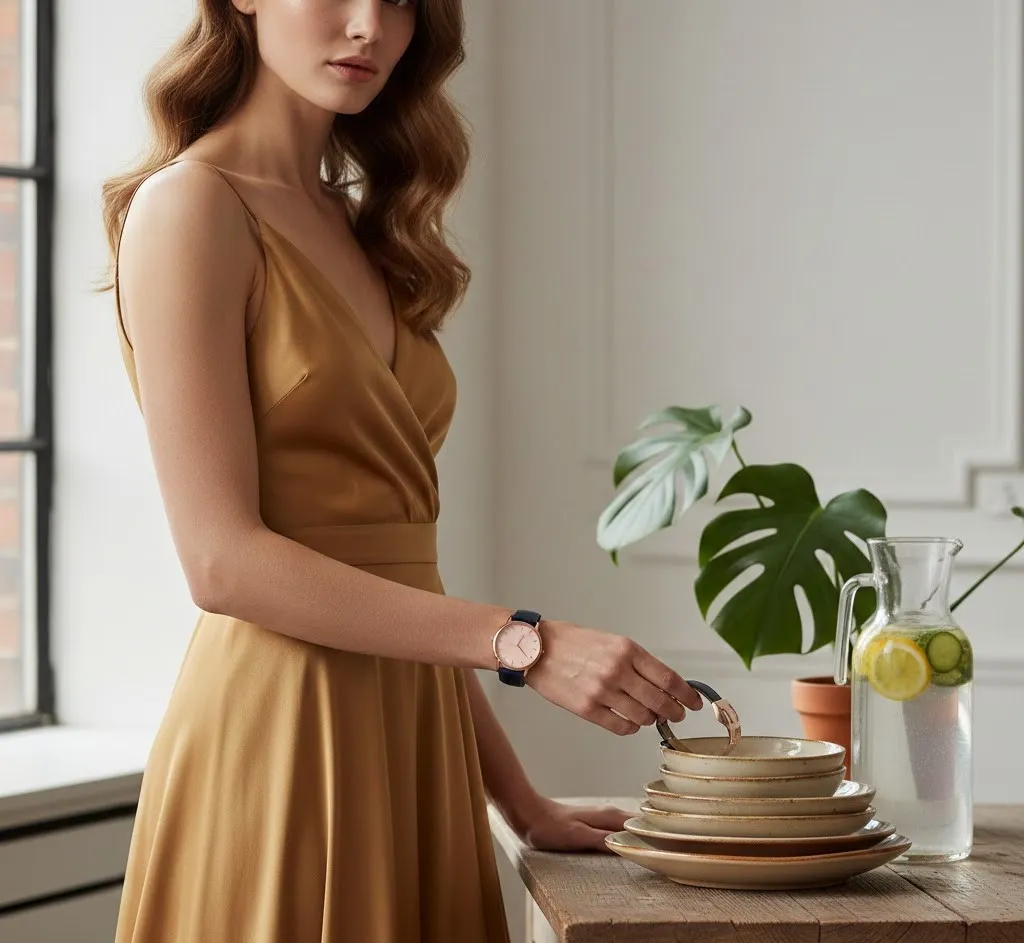
Another key difference is the level of skill and time involved. High-end editing often requires trained eyes and advanced techniques. Editors carefully fix small flaws that basic editing may miss. The goal is not to change how the photo looks, but to improve it in a subtle way. This type of editing is common in fashion, product, and brand images. It helps photos leave a strong and lasting impression.
Helpful tips for readers:
- Choose high-end editing for brand, product, or professional photos
- Avoid over-editing to keep images natural and realistic
- Focus on balance in color, light, and texture
- Quality editing takes time, so patience matters
Understanding the True Difference Between Editing Styles
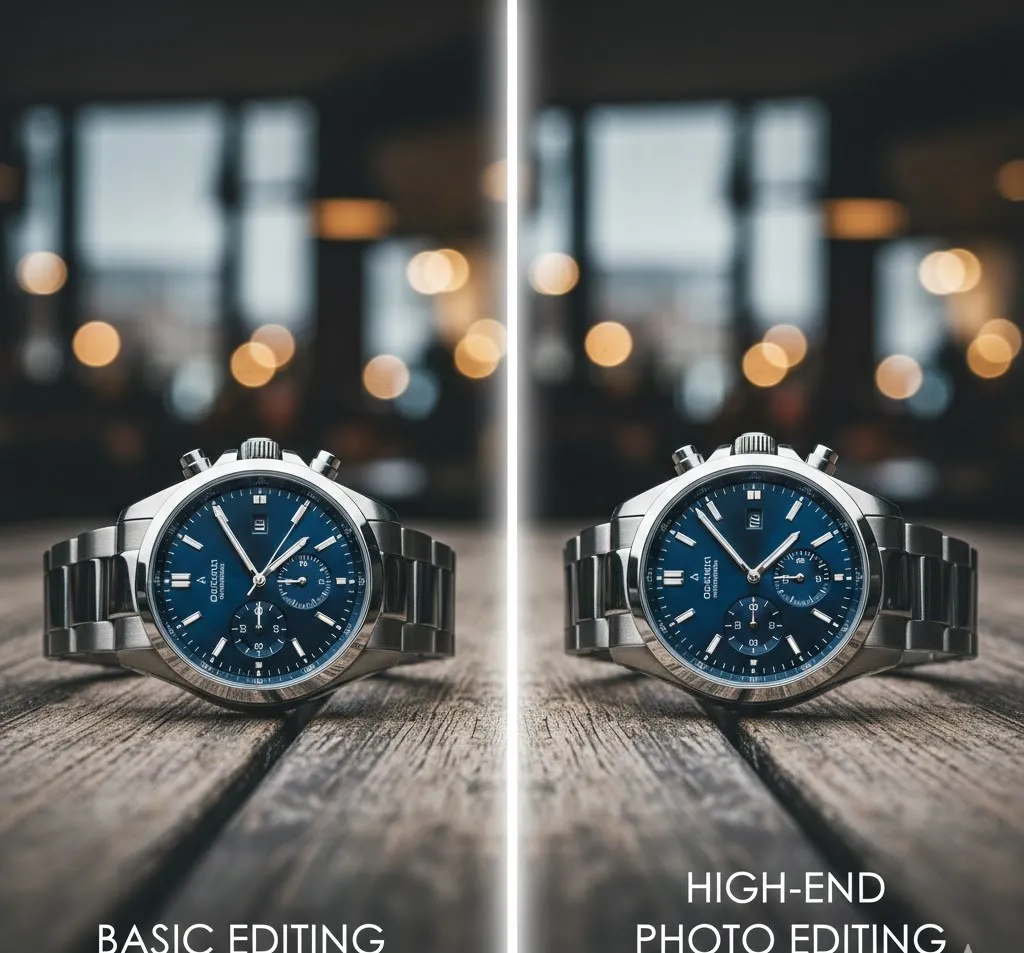
Understanding the true difference between editing styles helps you know what level of work your photos need. Basic editing is focused on fast improvements like cropping, brightness, and simple color fixes. It helps photos look better but does not focus on fine details. This style is often used for everyday images and quick uploads. The goal is speed and simplicity rather than perfection. It works well when time and budget are limited. High-end editing takes a more careful and detailed approach. Every part of the image is reviewed and improved step by step. Skin is refined while keeping a natural look, and textures are preserved. Colors and lighting are balanced to create a clean and professional result. The extra effort helps images stand out and look more polished.
Helpful tips for readers:
- Use basic editing for casual or personal photos
- Choose high-end editing for professional or brand images
- Avoid over-editing to keep photos looking real
- Match the editing style with your final purpose
More Than Simple Fixes and Adjustments
High-end photo editing is more than simple fixes and quick adjustments. It looks beyond basic brightness or color changes and focuses on the overall feel of the image. Editors carefully refine small details that may not be obvious at first glance. Skin tones, shadows, and highlights are balanced to create a natural look. Each change is subtle and controlled, so the photo still looks real. This thoughtful process helps bring out the best in every image.
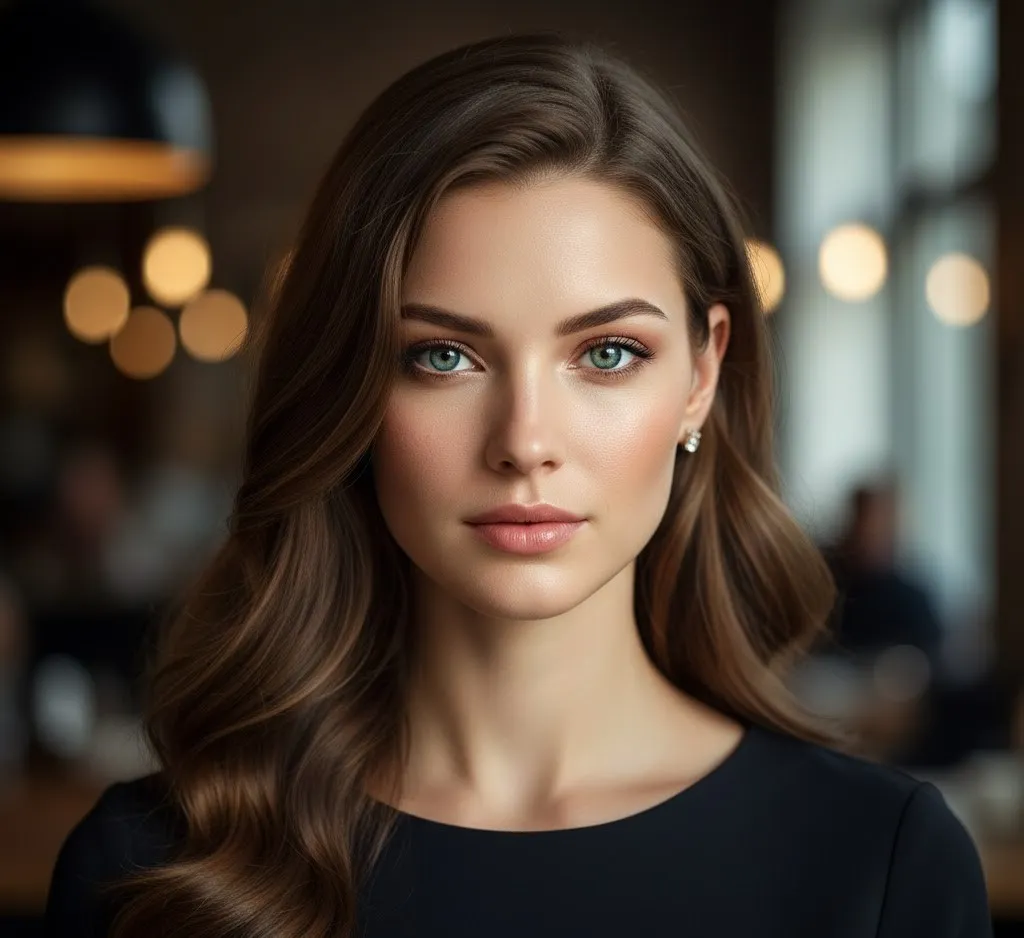
Unlike basic editing, this approach takes time and attention. High-end editing often involves multiple steps to perfect one photo. Small flaws are corrected without damaging texture or quality. The goal is not to change the subject but to improve it. This is why the results feel clean, smooth, and professional. It is ideal for photos that need to make a strong impression.
Helpful tips for readers:
- Focus on details, not just quick fixes
- Keep edits subtle to maintain a natural look
- Take time to review each part of the image
- Quality editing often requires patience
Careful Attention to Skin and Texture
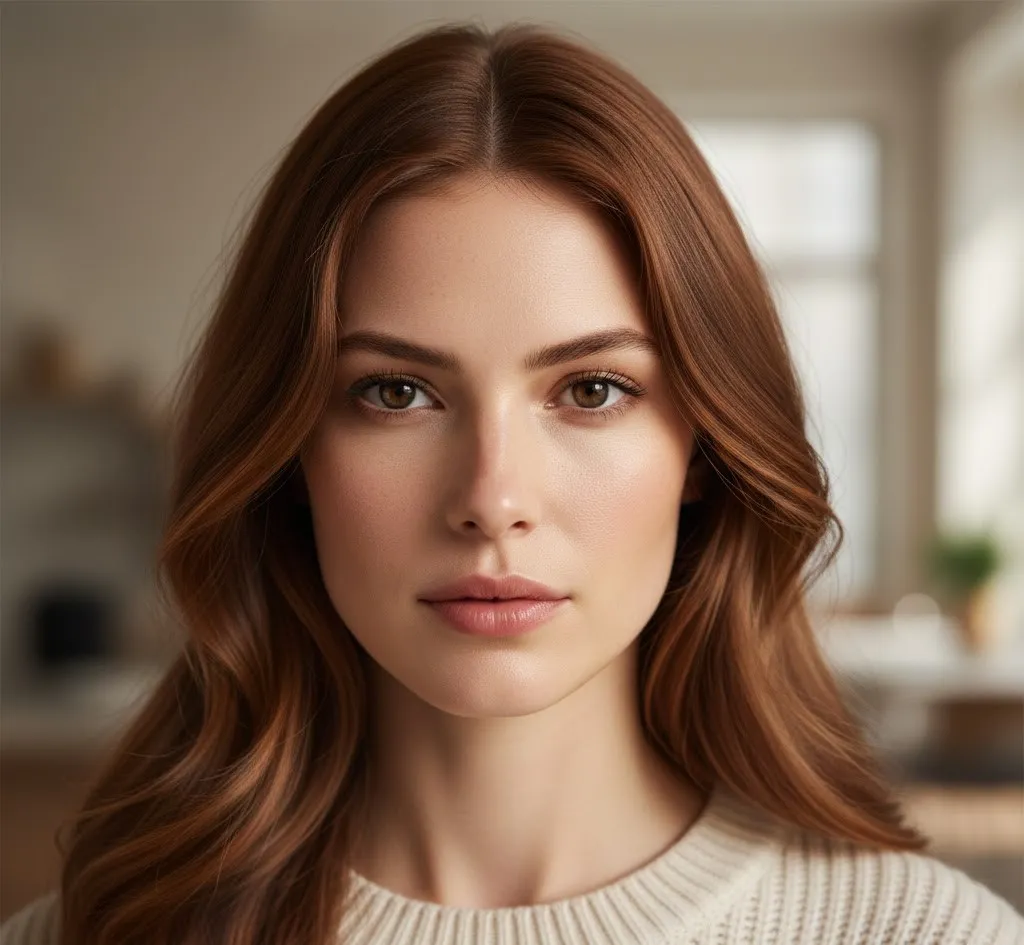
Careful attention to skin and texture is a key part of high-quality photo editing. Instead of blurring the skin, editors work to smooth it while keeping natural details. Pores, fine lines, and textures are handled gently to avoid a fake look. The goal is to improve the skin without removing its natural character. This creates a clean and realistic result. Well-edited skin should look healthy, not overdone. Texture is just as important as skin tone. Clothing, hair, and background details are refined to stay sharp and clear. High-end editing keeps these elements balanced so nothing looks flat or rough. Each area of the photo is adjusted with care. This level of detail helps the image feel more polished and professional. The final result looks smooth, natural, and pleasing to the eye.
Helpful tips for readers:
- Avoid heavy blurring on skin
- Keep natural texture for a realistic look
- Zoom in to check fine details
- Balance smoothness with clarity
Color Control That Looks Real and Balanced
Color control that looks real and balanced is a major part of high-end photo editing. Instead of making colors too bright or dull, editors aim for natural tones. Skin colors are corrected to look healthy and true. Shadows and highlights are adjusted so details are not lost. This careful balance helps the image feel clean and easy to look at. Good color control improves the mood without overpowering the photo.
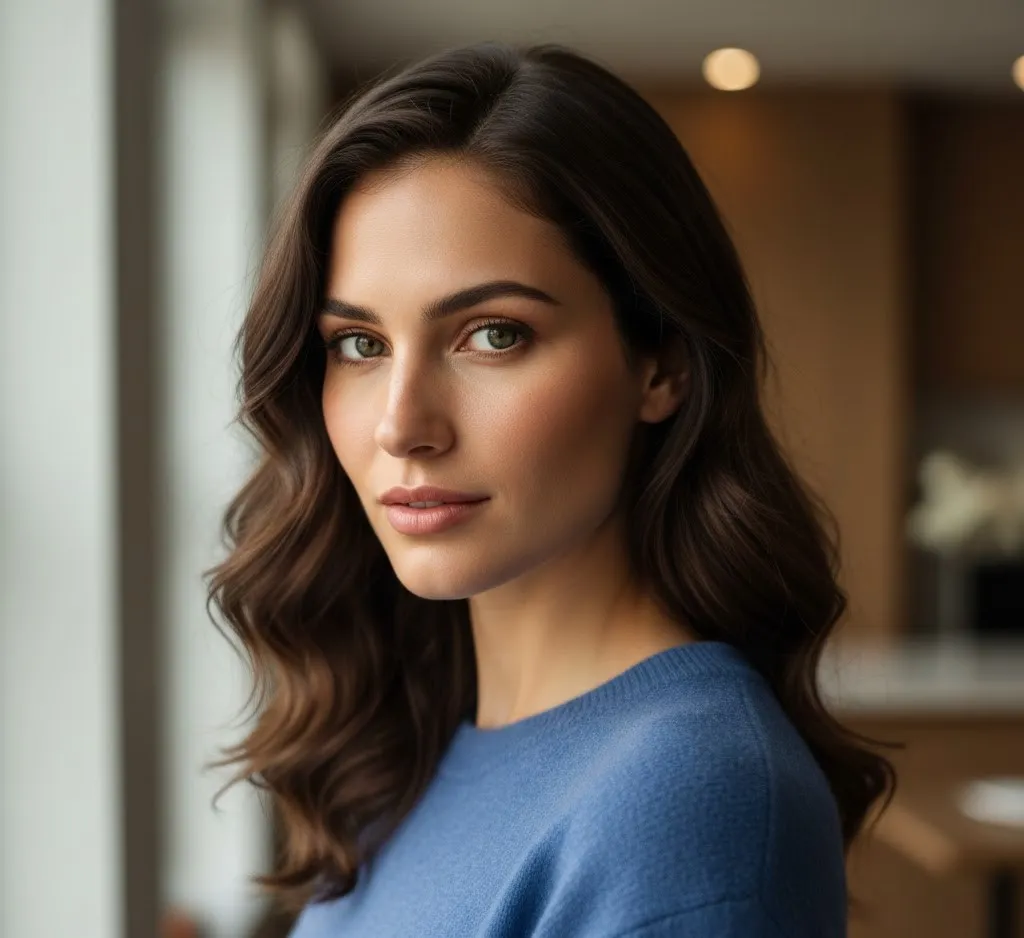
Another key point is consistency across the entire image. Colors should match well from one area to another. High-end editing avoids strong color shifts that can distract the viewer. Each adjustment is made slowly and with purpose. The result is a photo that feels natural and professional. Balanced colors help the subject stand out in a pleasing way.
Helpful tips for readers:
- Avoid over-saturating colors
- Keep skin tones natural and even
- Adjust shadows and highlights carefully
- Aim for balance, not extreme effects
Time, Skill, and Experience Matter
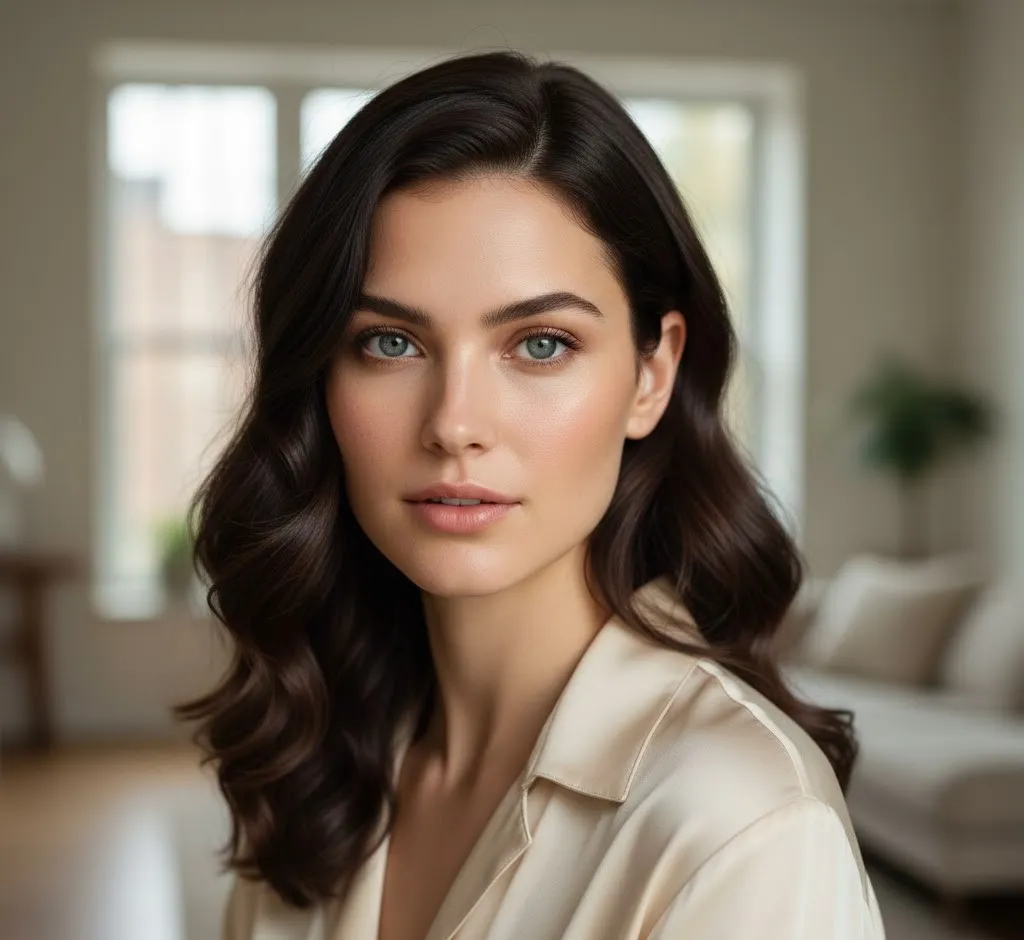
Time, skill, and experience matter a lot in high-end photo editing. Each photo requires careful attention to details like skin, texture, lighting, and color. Experienced editors know how to make subtle improvements that improve the image without making it look fake. The process often involves multiple steps and fine adjustments to achieve the perfect result. This is why professional editors are highly valued. Skill also comes from knowing which tools and techniques to use. Someone with experience can fix small flaws quickly while keeping the natural look intact. High-end editing combines knowledge, creativity, and precision to make images stand out. The end result is a polished, professional photo that looks effortless but took careful work to achieve.
Helpful tips for readers:
- Don’t rush the editing process; quality takes time
- Learn basic tools and techniques before attempting advanced edits
- Pay attention to small details for a professional look
- Practice consistently to improve skill and confidence
Why High-End Photo Editing Feels More Polished
High-end photo editing feels more polished because every detail is carefully refined. Unlike basic editing, it doesn’t just fix small problems, it improves the overall look of the image. Skin, textures, colors, and lighting are all adjusted to work together naturally. The result is smooth, balanced, and visually appealing. This level of care gives the photo a professional and clean appearance that catches the viewer’s attention.
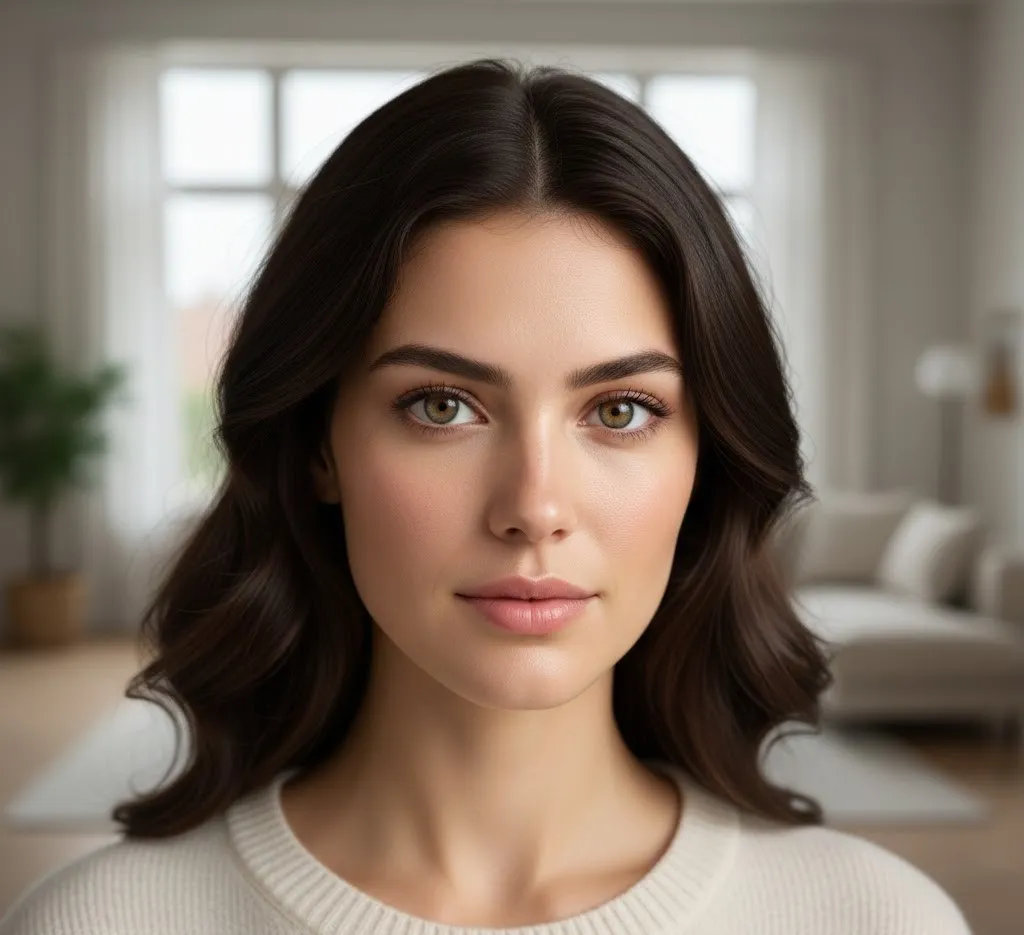
Another reason it feels polished is the subtlety of the edits. Changes are made to improve the photo without making them obvious. Nothing looks overdone or artificial, which helps the image feel realistic. High-end editing also maintains consistency across multiple images, especially for brands or professional portfolios. This attention to detail creates a strong first impression.
Helpful tips for readers:
- Focus on subtle improvements rather than dramatic changes
- Make sure that all elements in the photo feel balanced and natural
- Keep consistency across multiple images for a polished look
- Review the photo carefully before finalizing edits
Choosing the Right Editing for Your Need
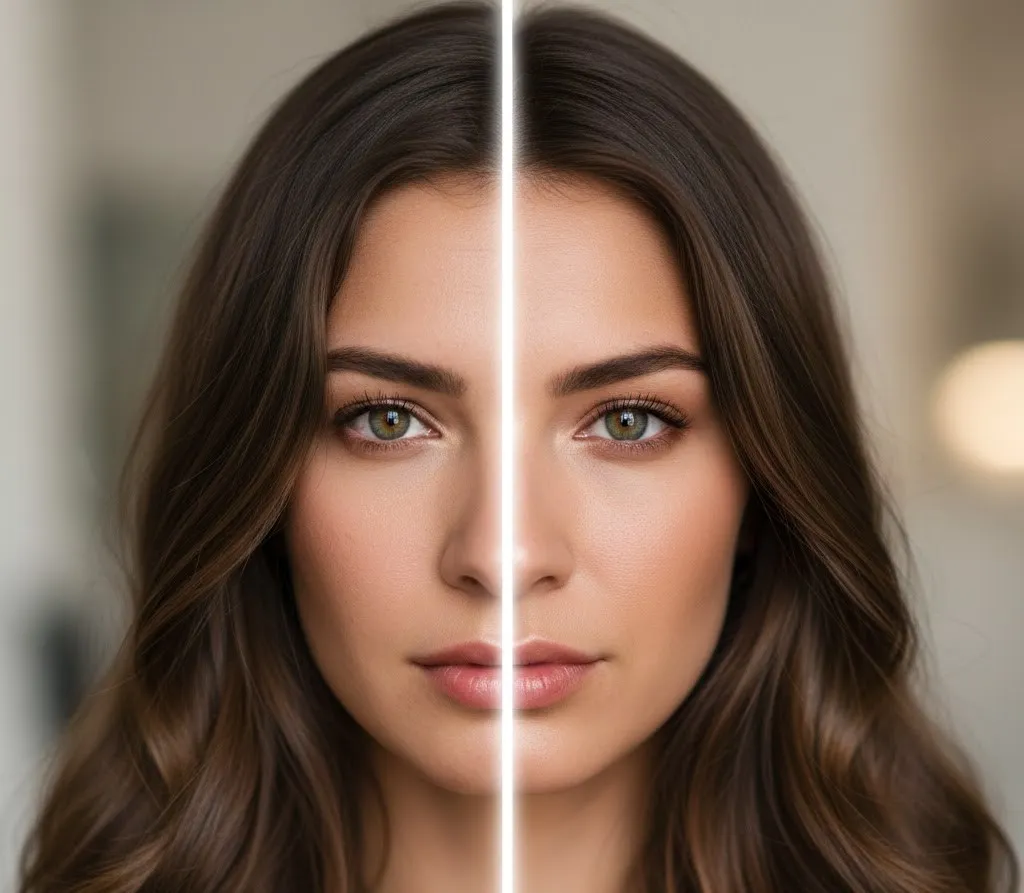
Choosing the right editing for your need is all about matching the style to your purpose. If you need quick improvements for personal photos or social media, basic editing may be enough. It fixes small issues like brightness, contrast, and simple color adjustments without taking too much time. This is ideal when speed and convenience matter more than perfection. For professional work, branding, or high-quality visuals, high-end photo editing is the better choice. It takes more time and skill but produces polished, realistic, and detailed results. Knowing the difference helps you get the best outcome for your photos. Always consider your goal, audience, and the type of image before deciding which editing style to use.
Helpful tips for readers:
- Use basic editing for casual photos or quick projects
- Choose high-end editing for professional or commercial images
- Think about your audience and purpose before editing
- Balance time, cost, and quality when deciding your editing style
Conclusion
High-end photo editing truly transforms a good photo into a professional, polished image that stands out. It’s not just about fixing colors or brightness, it’s about paying attention to every detail, from skin and texture to lighting and color balance. While basic editing works for quick fixes, high-end editing elevates your photos to a level that leaves a lasting impression. If you are sharing personal photos, building a brand, or creating content for marketing, knowing the difference can make a big impact. Now, we’d love to hear from you, what’s your favorite type of photo editing and which details do you focus on the most? Share your thoughts in the comments below.
Read Next: Boost Your Store with Ecommerce Product Photo Editing Service