
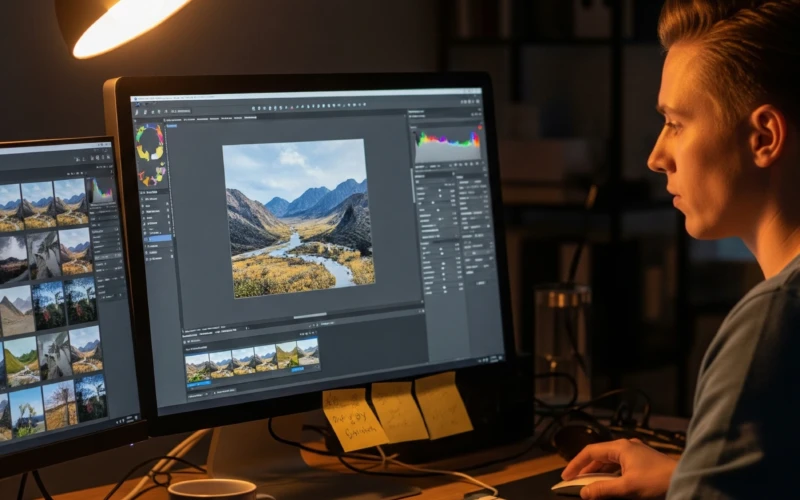
Top Qualities to Look for in a Professional Photo Editor
In today’s digital world, images play a huge role in how people see a brand. From social media posts to product catalogs, strong visuals can make a business stand out. But raw photos are not always enough. They need polishing to highlight the best details and give them a professional finish. This is where a professional photo editor comes in.
A skilled editor can turn ordinary pictures into visuals that grab attention, connect with customers, and build trust. Choosing the right professional photo editor, however, is not always easy. Many offer editing services, but not all deliver the same quality. To help you, here are the top qualities to look for when hiring one.
Technical Skills That Define a Professional Photo Editor
The first thing to look for in a professional photo editor is their technical ability. Editing tools are powerful, but they need skilled hands to produce results that stand out.
Mastery of Editing Software
A professional photo editor should know how to use the best tools in the industry. Software like Photoshop and Lightroom are standard, but many projects also need advanced tools for color correction, background removal, and retouching. Editors who keep up with the latest updates can deliver better and faster results.
When reviewing a portfolio, check if the work shows smooth edges, natural lighting fixes, and balanced colors. These are signs of someone who knows how to use editing software well.
Attention to Detail
The smallest details often make the biggest difference in a photo. A professional photo editor must have sharp eyes to catch things like uneven tones, unwanted objects, or shadows that affect the image quality.
For example, in product photos, customers notice reflections, scratches, or even fingerprints. An editor with great attention to detail can fix these without making the image look fake. This skill separates beginners from true professionals.
Understanding of Lighting and Color
Good editing is not only about removing flaws. It is also about enhancing the natural beauty of a photo. A professional photo editor should know how to work with lighting and color. This includes balancing tones, making skin look natural, and making sure brand colors are consistent.
For businesses, consistent color use helps build recognition. Imagine a fashion brand whose images always match the same tone. It gives customers a clear picture of the brand identity.
Creativity and Artistic Vision
Editing is more than fixing mistakes. A professional photo editor adds creativity and vision to each project. They should know how to make photos tell a story that fits the brand.
For example, an editor working on travel photos might adjust colors to make skies brighter and water clearer, giving a fresh and inviting feel. An e-commerce editor, on the other hand, might focus on sharpness and clean backgrounds to highlight the product.
This balance of technical skill and creativity makes images not only clean but also eye-catching. It is one of the most important qualities to look for.
Consistency and Reliability
Businesses need editors who are consistent and reliable. Without these qualities, even the most creative work loses value.
1. Delivering Consistent Quality
One project is not enough to measure a photo editor’s skill. A professional should be able to deliver the same level of quality in every edit. Consistency shows that they follow a process and can meet brand expectations over time.
When reviewing past work, check if the style looks the same across different images. If a fashion line’s photos suddenly change tone or mood, it may confuse customers. A reliable editor knows how to keep everything consistent.
2. Meeting Deadlines
In business, time is often as important as quality. Marketing campaigns, online store launches, or social media schedules all run on strict deadlines. A professional photo editor respects this and delivers projects on time.
Delays can affect a brand’s strategy and even cause loss of sales. This is why reliability is just as important as skill. A good editor will give clear timelines and stick to them.
Communication Skills and Collaboration
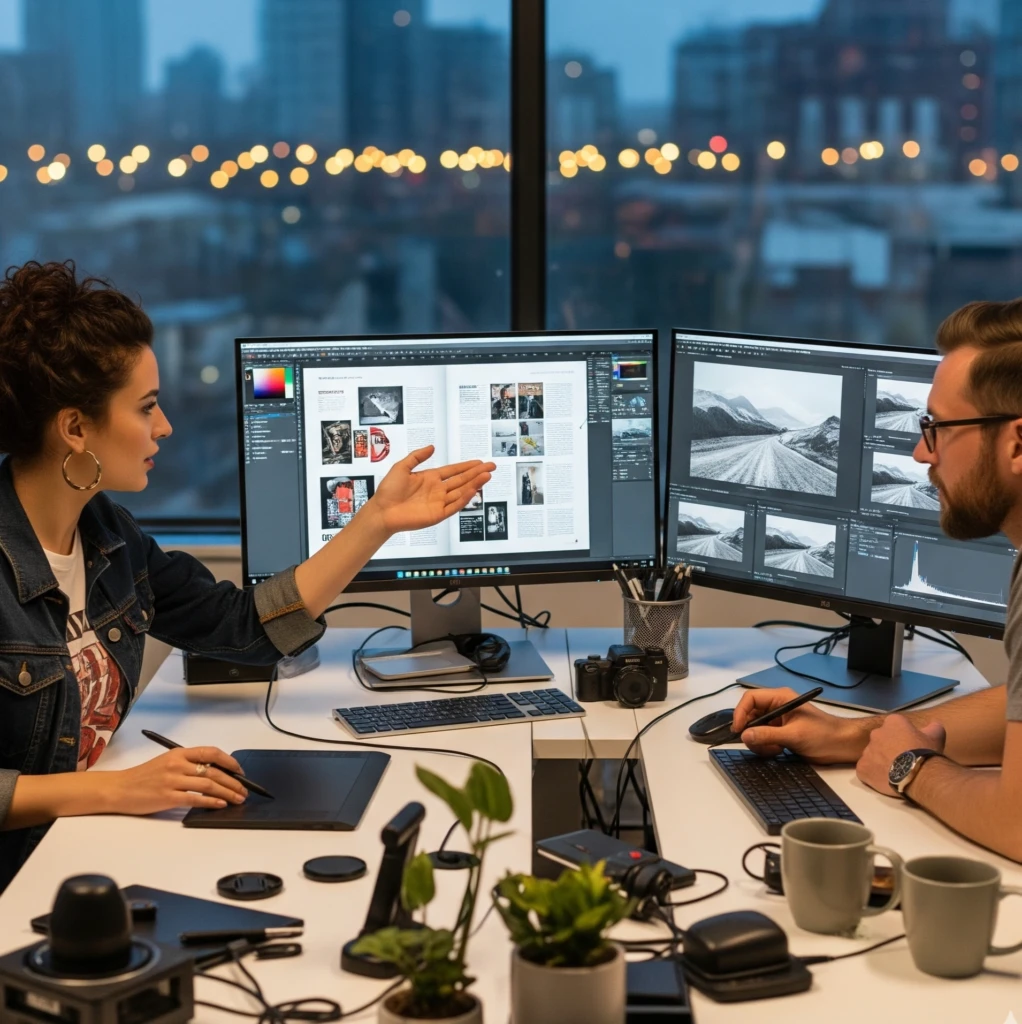
Photo editing is not just about technical work; it also requires clear communication. A professional photo editor should understand the needs of the client and be able to translate ideas into results.
Good editors ask the right questions: What is the goal of the photo? Who is the target audience? What style fits the brand best? They also explain their choices in simple words, without confusing technical terms. This makes the process smooth and avoids misunderstandings.
Collaboration is also key. Editors often work with photographers, designers, and marketing teams. A professional photo editor respects feedback and adjusts work as needed. This teamwork ensures the final images serve their purpose.
Adaptability to Different Styles and Industries
Not all industries require the same editing approach. A professional photo editor should be flexible enough to adapt to different needs.
For example, fashion editing may focus on sharpness, colors, and skin retouching. Real estate photos may require lighting corrections and removal of clutter. Corporate headshots may need natural edits that highlight professionalism. A skilled editor can switch between these styles without losing quality.
Adaptability also includes keeping up with trends. In 2025, many brands are moving toward natural and authentic looks. Editors who can adjust to this demand stay relevant and valuable to businesses.
Ethical Standards and Professionalism

Professionalism goes beyond skills. The best photo editors follow ethical standards that protect both the client and the audience.
One key value is confidentiality. Many businesses share product photos, brand materials, or private images that must be kept secure. A professional photo editor respects this and never misuses client files.
Another important point is honesty. Editing should improve images, not mislead customers. Over-editing or making fake changes can hurt a brand’s credibility. For example, making a product look better than it really is may lead to disappointed customers. A professional editor knows how to enhance images while staying truthful.
Professionalism also shows in how editors handle payments, agreements, and communication. Clear terms and respect for deadlines build trust and long-term relationships.
How to Spot the Right Professional Photo Editor
Knowing what qualities to look for is one thing. Finding the right editor is another. Here are some simple steps to help you choose wisely.
1. Review Portfolios
A portfolio is the best proof of skill. Look for variety, consistency, and editing styles that match your needs. A strong portfolio shows that the editor has experience and can handle different types of projects.
2. Ask for a Trial Edit
Before committing, request a small trial edit. This gives you a chance to see the editor’s skills, turnaround time, and ability to follow instructions.
3. Check Client Feedback
Reviews and testimonials from past clients can reveal a lot about reliability, professionalism, and quality. If an editor has repeat clients, it shows they deliver results worth coming back for.
Finding the Professional Photo Editor Who Fits Your Brand
In 2025, visuals are more important than ever. A professional photo editor is not just someone who knows software. They are a mix of technician, artist, and communicator. The best editors have strong technical skills, creativity, consistency, and the ability to work well with clients. They also adapt to different styles, maintain high ethical standards, and deliver results on time.
Choosing the right editor is an investment in your brand. With the right partner, your photos will do more than just look good. They will tell your story, connect with your audience, and build lasting trust.
From technical skills and creativity to reliability and ethics, the right mix of qualities makes an editor stand out. Take time to review their work, ask questions, and check consistency. In the end, the best professional photo editor is one who can combine skill, creativity, and trust to bring out the best in your photos.
Investing in the right editor will not only improve your visuals but also help your business grow in the long run.