
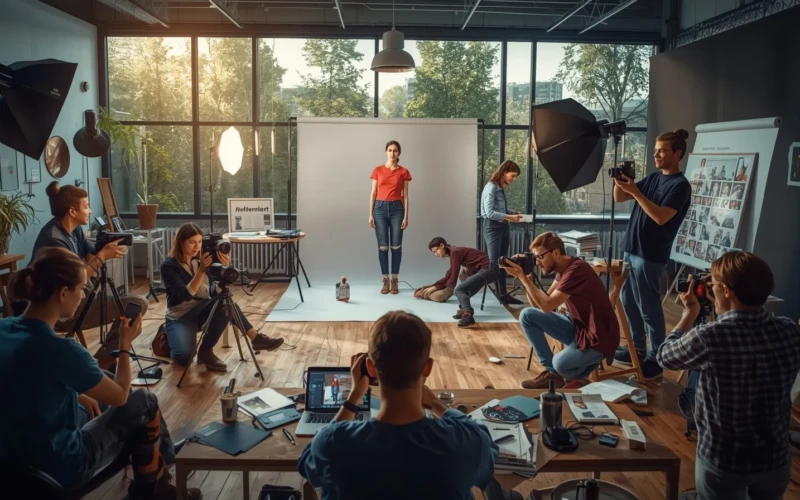
Step-by-Step Guide to Digital Photography for Beginners and Pros
Digital photography has opened up a world where anyone can photograph amazing moments with just a camera or even a smartphone. If you are a complete beginner or someone with experience, understanding the basics can make a huge difference in your photos. From learning how to adjust lighting and focus to exploring creative angles, digital photography allows you to bring your vision to life. It’s not just about taking pictures, it’s about telling a story through every shot. In this guide, we will break down the steps in simple, easy-to-follow instructions so that everyone can improve their skills.
No matter your level, photography is a journey of discovery and creativity. By following a step-by-step approach, you can learn new techniques, avoid common mistakes, and take photos that truly stand out. This guide will help you understand key concepts like composition, exposure, and color balance in a way that’s simple and practical. You’ll also get tips for both beginners who are just starting and pros looking to refine their skills. With a little practice and guidance, digital photography can become a fun and rewarding hobby, or even a professional path. Get ready to unlock your creativity and take the world like never before.
Getting Started with Digital Photography
Getting started with digital photography can feel a little intimidating, but it doesn’t have to be. The key is to focus on learning the basics first and gradually building your skills. If you have a DSLR, mirrorless camera, or even a smartphone, understanding what your camera can do will make a big difference. Start by exploring settings like focus, exposure, and white balance. Remember, photography is as much about experimenting and having fun as it is about technical knowledge.
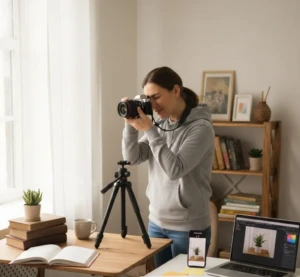
Another important step is developing a habit of practice. The more you take photos, the better you’ll understand how light, angles, and composition affect your images. Don’t worry about getting perfect shots every time, mistakes are part of learning. Observing other photographers’ work can inspire ideas and teach new techniques. Over time, you’ll start noticing improvements and develop your own style.
Here are some tips to help you begin:
- Start simple: Focus on everyday subjects like pets, food, or nature.
- Practice often: Regular shooting builds skill and confidence.
- Learn from others: Study photos you admire and try to replicate them.
- Keep notes: Record settings or techniques that work well.
- Be patient: Not every photo will be perfect, and that’s okay.
Understanding the Basics of Your Camera
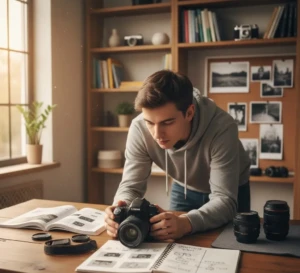
Understanding the basics of your camera is the foundation for better digital photography. Every camera, if a DSLR, mirrorless, or smartphone, has settings and features that control how your photos turn out. Learning how to adjust focus, shutter speed, aperture, and ISO will give you more creative control over your shots. You don’t need to memorize everything at once; start with one or two settings and see how they affect your images. Knowing your camera’s capabilities makes it easier to take the photos you imagine. It’s also important to understand lenses and how they impact your images. Different lenses offer different perspectives, from wide-angle shots of landscapes to zoomed-in portraits.
Experimenting with angles, distances, and focal lengths will help you discover what works best for each subject. By combining camera knowledge with practice, you’ll quickly see improvements in both technical quality and creativity.
Tips for getting to know your camera:
- Read the manual: Even a quick skim helps you understand basic functions.
- Practice one setting at a time: Focus on mastering aperture, shutter speed, or ISO separately.
- Experiment with lenses: Try wide, standard, or zoom lenses if your camera allows.
- Take test shots: Compare different settings to see how each affects your photo.
- Use online tutorials: Short videos or guides can clarify confusing features.
Editing Your Photos Like a Pro
Editing your photos is where you can really make your images shine. Even the best shots can benefit from small adjustments to brightness, contrast, and color. Learning to use editing tools, if on a computer or smartphone, allows you to correct mistakes, improve details, and bring out the mood you want. You don’t need to overdo it, simple edits often look more natural and professional. Understanding basic editing principles gives you the power to turn good photos into great ones.
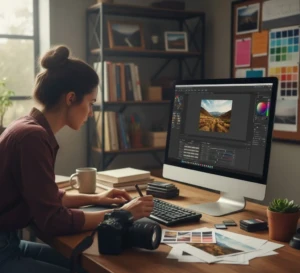
Post-processing is also a chance to express your creativity. You can adjust tones, sharpen details, or crop images to focus on what matters most. Experimenting with filters and color grading can help you develop your own style. The key is to practice and explore, so you become confident in making edits that improve your vision without losing the authenticity of the original image.
Tips for editing photos like a pro:
- Start with basic adjustments: Brightness, contrast, and sharpness can improve almost any photo.
- Use cropping wisely: Focus attention on your subject and remove distractions.
- Experiment with color grading: Adjust tones to create mood and style.
- Keep edits simple: Overediting can make photos look unnatural.
- Learn your editing tools: Apps like Lightroom, Snapseed, or Photoshop offer powerful features to explore.
Taking Your Digital Photography to the Next Level
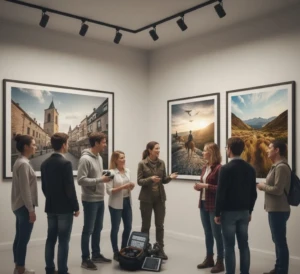
Once you’re comfortable with the basics of digital photography, it’s time to push your skills further. Taking your photography to the next level means exploring creative techniques, experimenting with different perspectives, and challenging yourself to try new subjects or styles. This stage is about moving beyond simply taking images to telling stories through your photos. Paying attention to details like composition, timing, and emotion can make your images more compelling and memorable. Developing your own photography style also comes with practice and observation. Study the work of photographers you admire and try to identify what makes their images stand out.
At the same time, don’t be afraid to break rules and test your ideas. The more you experiment, the more you’ll discover techniques that resonate with you and help your photos stand out. Over time, these choices will define your unique approach and elevate your work.
Tips for taking your photography to the next level:
- Experiment with angles: Try shooting from high, low, or unusual perspectives.
- Play with motion: Photographed movement using slower shutter speeds or panning techniques.
- Focus on storytelling: Think about the story or emotion you want each photo to convey.
- Study other photographers: Observe styles and techniques that inspire you.
- Challenge yourself regularly: Set projects or themes to push your creativity.
Conclusion
Digital photography is a journey that anyone can enjoy, no matter your experience level. By learning the basics, practicing regularly, and experimenting with lighting, angles, and editing, you can turn ordinary moments into amazing images. Remember, every photo is a chance to tell a story and show your unique perspective. Don’t be afraid to try new techniques, make mistakes, and discover what works best for you. We’d love to hear from you, what’s your favorite photography tip, or which part of this guide are you most excited to try? Share your thoughts and experiences in the comments below and join the conversation with other photography enthusiasts.
Read Next: Wedding Image Editing Services That Make Your Photos Shine