

How Reflection Shadow Editing Improves Your Product Photos
First impressions matter, and your product photos are the first thing customers notice. Reflection shadow editing can turn ordinary images into eye-catching visuals. By adjusting shadows and reflections, your products look more realistic and professional. Even small edits can make a big difference in how people perceive your items. This technique gives your photos perspective, clarity, and a clean look without needing expensive tools. An expertly edited photo can build trust and make shoppers more likely to buy.
Reflection shadow editing also helps your products stand out from the competition. It adds a natural 3D effect that draws attention and makes items look lifelike. Correct shadows prevent your images from looking flat or dull, increasing their appeal. It’s perfect for online stores, catalogs, and social media, helping your brand look consistent and professional. With practice, reflection shadow editing becomes a quick way to improve visuals, engagement, and boost sales.
Reflection Shadow Editing for a Realistic Look

Reflection shadow editing is a technique that helps your photos look more natural and professional. It focuses on correcting the shadows and reflections in images so that products appear three-dimensional and true to life. Without proper shadows, objects can look flat, fake, or out of place. By adjusting the light and shadow carefully, you can create a sense of depth and realism that draws viewers’ attention. This technique works well for all types of products, whether it’s electronics, clothing, or home decorations. Even small tweaks in shadow intensity or reflection can make a big difference in the overall appearance of your photos. Want to See the Difference for Yourself? Upload a few photos and let us apply reflection and shadow editing so you can see how much more natural and realistic they look before committing.
To get the most realistic results, it’s important to follow a few practical tips:
- Match the lighting so shadows and reflections align with the natural light in the image
- Adjust the opacity carefully because shadows that are too dark or too light can look unnatural
- Use subtle reflections to enhance depth without distracting from the product
- Check angles to make sure shadows match the shape and position of the item
- Test different backgrounds because shadows may need adjustment depending on surface and lighting
By using this technique, it improves the realism of your product photos and makes them more attractive to viewers. It helps your images stand out in online stores, catalogs, or social media. Well-edited photos build trust with potential buyers and give your brand a professional appearance. With practice, this technique can save editing time while boosting the overall quality of your visual content and increasing sales.
Why Reflections Shadow Editing Make Photos Look Real

Reflections and shadow editing play a big role in making photos feel natural and believable. In real life, light always creates shadows and reflections, so when these details are missing, an image can look flat or fake. Adding or improving shadows helps show where objects sit in a scene, while reflections give surfaces a more realistic finish. Together, they create depth and help the viewer understand the space in the image. This is especially important for product photos, portraits, and digital artwork. Even small shadow or reflection changes can make a noticeable difference. When done carefully, reflection and shadow editing guides the viewer’s eye and adds a sense of realism without being distracting.
Soft shadows can ground objects, while subtle reflections can suggest glass, water, or shiny surfaces. The key is keeping everything balanced so the image still looks natural. Overdoing these effects can make photos look unnatural or overly edited. A light, thoughtful approach usually works best. With practice, these edits become an easy way to improve photo quality. If reflections and shadows feel tricky, our team is here to help. We can handle the editing for you and make sure your images look natural, clean, and professional.
Tips for Achieving the Best Results
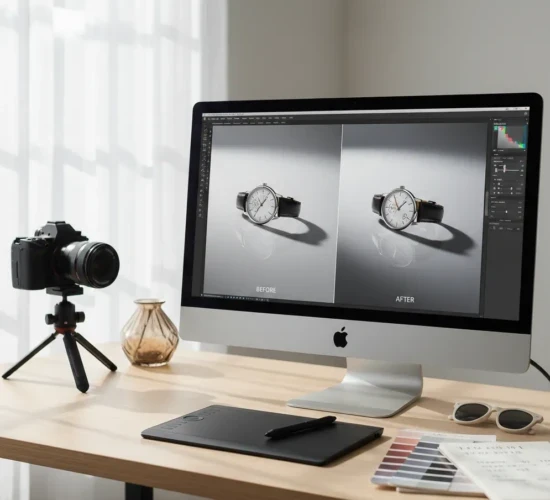
Getting the best results starts with paying attention to the small details in your images. Clean photos are always easier to edit and produce better outcomes. Before editing, it helps to understand where the light is coming from and how it affects the subject. Natural-looking shadows and reflections should follow the same light direction to avoid a fake appearance. Keeping edits subtle usually works better than making heavy changes. A simple and careful approach helps maintain a realistic and professional look. Consistency is also important when working on multiple images, especially for products or brand visuals. Using similar lighting, angles, and editing settings helps create a uniform look across all photos.
It’s a good idea to review your edits on different screens to make sure they look balanced everywhere. Taking short breaks while editing can help you spot mistakes you might miss otherwise. Practice plays a big role in improving results over time. The more you work with images, the easier it becomes to achieve clean and polished results.
Helpful tips to keep in mind:
- Start with clear, high-quality photos
- Keep shadows soft and natural-looking
- Match reflections with the light source
- Avoid over-editing details
- Check your final images on different devices
Long-Term Benefits of Reflection Shadow Editing

Reflection shadow editing offers long-term value by helping your images stay visually appealing and professional over time. Photos with proper shadows and reflections look more realistic, which builds trust with viewers and potential customers. When products appear natural and well-presented, they are easier to understand and more attractive to buyers. This consistency also strengthens your brand image, making your visuals look polished across websites, ads, and social media. Over time, these high-quality images can reduce the need for frequent re-editing. Investing in good editing early saves effort and resources later. Another long-term benefit is improved flexibility for future use. Images with clean reflection and shadow work can be reused across different platforms without losing quality or impact.
They adapt well to new layouts, backgrounds, or marketing materials. This type of editing also helps products remain visually relevant even as design trends change. When your images look realistic and balanced, they continue to perform well in different campaigns. In the long run, reflection shadow editing supports stronger visuals, better engagement, and a more professional presence overall.
Conclusion
Reflection shadow editing is a simple yet important to make your photos look realistic, professional, and eye-catching. By paying attention to shadows, reflections, and light, you can create images that stand out and build trust with your audience. The best part is that even small adjustments can make a big difference, whether you’re photographing products, portraits, or creative projects. Over time, learning this technique will save your editing time and help your visuals stay consistent across all platforms. We’d love to hear from you, what challenges have you faced with shadows or reflections in your photos? Share your experiences or tips in the comments below and join the conversation!
Read Next: Why Product Photo Editing Matters for Brands and Businesses