
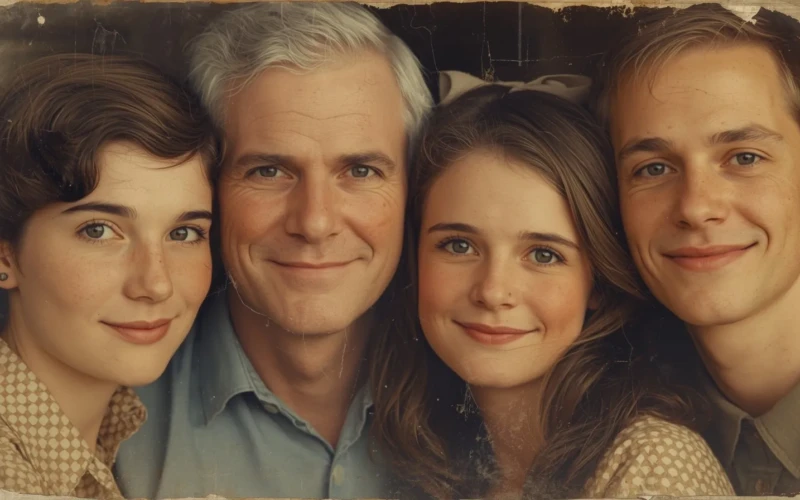
How Memorial Digital Restoration Preserves Cherished Memories
Old photos hold stories that words cannot fully explain. A single image can bring back voices, smiles, and moments we never want to forget. Over time, these photos may fade, tear, or lose important details. This is where memorial digital restoration becomes meaningful and valuable. It helps bring damaged images back to life while keeping their original emotion. Through careful editing, memories are preserved in a way that still feels real and heartfelt.
Preserving memories is more than fixing an image, it is about honoring the people behind it. Restored photos allow families to reconnect with moments that feel distant but deeply important. Clearer images make it easier to share stories with future generations. They also help keep loved ones present in family histories and personal spaces. When done with care, restoration protects the emotion of the memory. It turns fragile photos into lasting reminders of love and connection.
Understanding Memorial Digital Restoration and Why It Matters
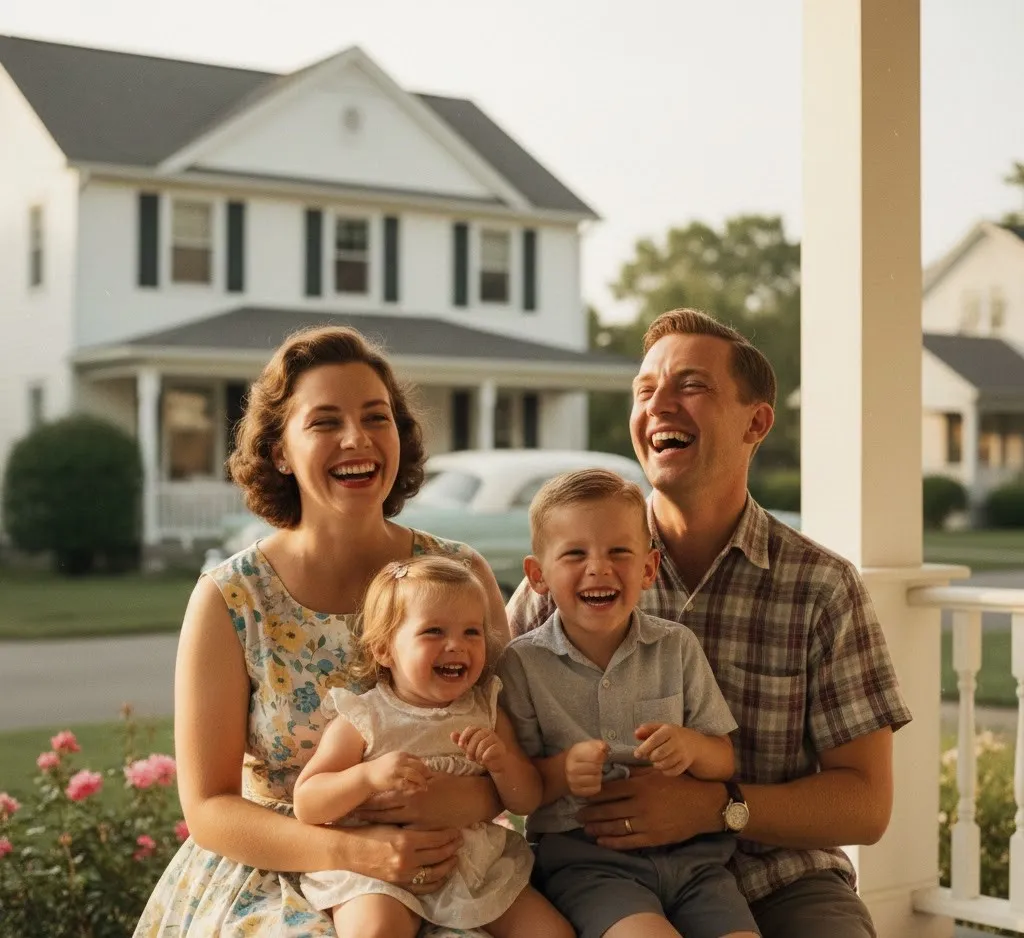
Memorial digital restoration is the process of repairing and improving old or damaged photos that hold emotional value. These images often photograph important moments with loved ones who are no longer with us. Over time, photos can fade, tear, or lose important details because of age or poor storage. Restoration helps bring back clarity while keeping the photo’s original look and feeling. It is done with care to respect the memory behind the image. This makes the restored photo feel familiar, not artificial. Understanding why memorial digital restoration matters helps people see its deeper purpose. Restored photos allow families to reconnect with moments that might otherwise be lost.
Clear and well-restored images are easier to share, display, and pass down. Most importantly, restoration honors the people in the photo by treating their memory with respect. It turns fragile images into meaningful keepsakes that last.
Helpful tips for readers:
- Choose clear reference photos if available to guide the restoration
- Avoid over-editing so the photo still looks natural
- Store digital copies safely to prevent future loss
- Work with someone who understands the emotional value of memorial photos
How Memorial Digital Restoration Brings Old Photos Back to Life
Memorial digital restoration brings old photos back to life by carefully fixing damage caused by time. Faded colors, scratches, stains, and tears are gently corrected to improve clarity. The goal is not to change the photo, but to restore how it once looked. Details like facial features and background elements are improved while keeping the image natural. This careful process helps the photo feel familiar and true to its original moment.
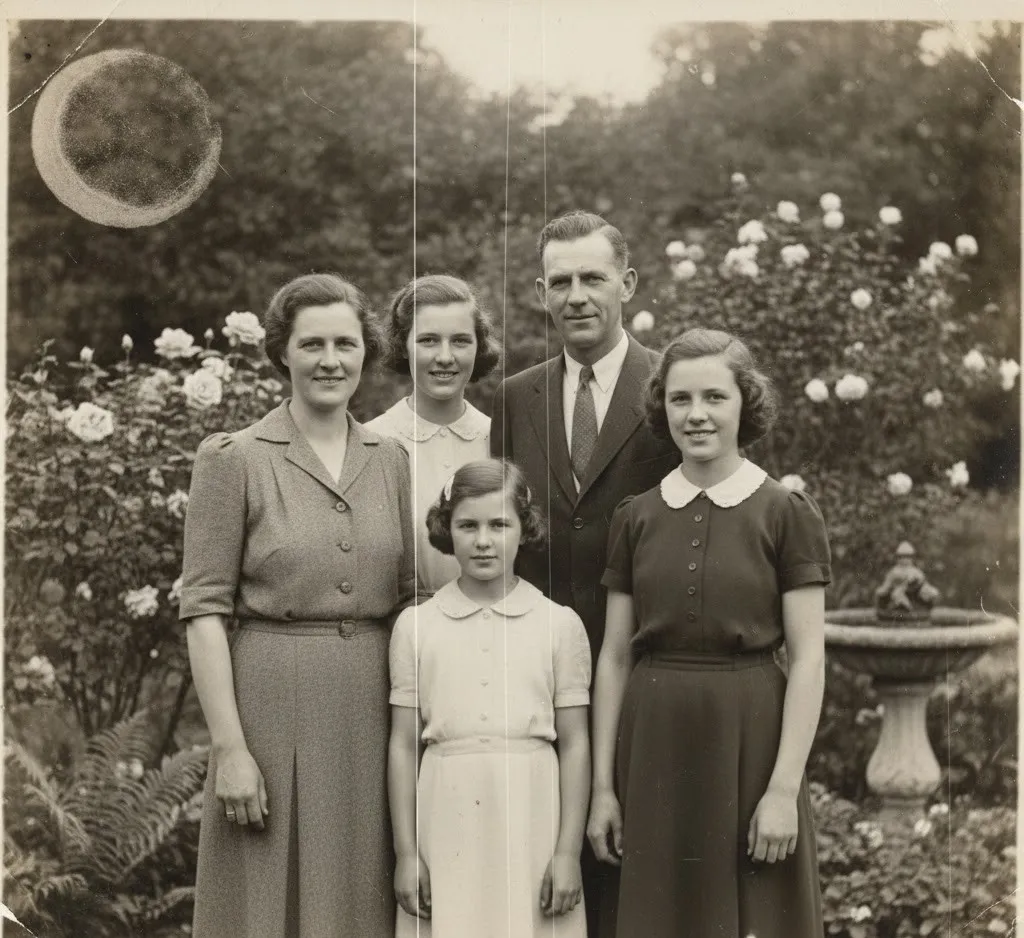
Modern editing tools help recover and balance lost details. Editors adjust brightness, contrast, and sharpness to make the image clearer and easier to see. With patience and skill, they can often repair even severely damaged photos. When done properly, the restored image feels fresh but still holds its emotional value. This process allows families to reconnect with memories that may have faded over time.
Helpful tips for readers:
- Start with the highest-quality scan possible
- Keep the original photo untouched as a backup
- Focus on restoring details, not changing appearances
- Save the restored image in multiple formats for safety
Repairing Damage While Keeping the Original Feel
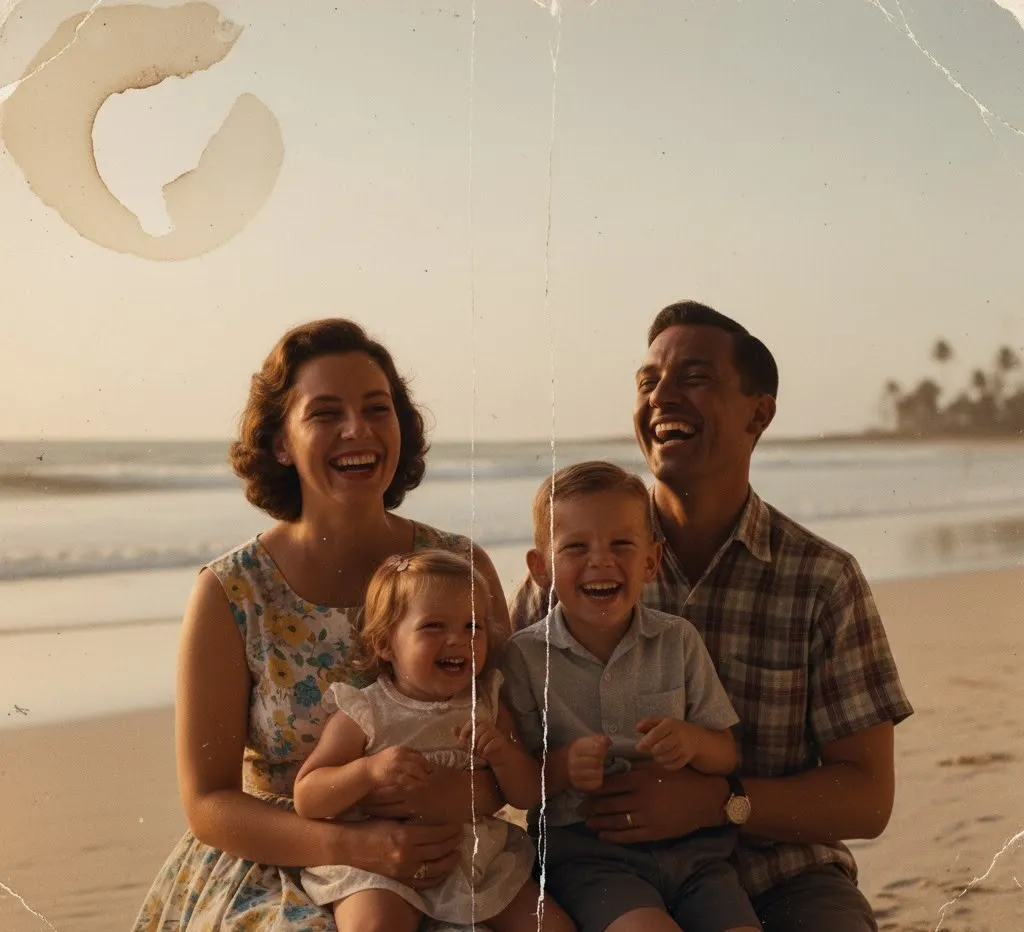
Repairing damage while keeping the original feel is one of the most important parts of memorial digital restoration. Old photos often have scratches, stains, fading, or torn edges that hide important details. The restoration process focuses on fixing these issues gently and carefully. The aim is to improve clarity without removing the photo’s natural character. A skilled restoration keeps the photo looking real, not overly edited. Editors balance skin texture, lighting, and shadows to match the original style of the photo. They correct colors to make them look natural, especially in older images that may have yellowed over time. The goal is to preserve the photo’s original look, not to make it appear newly created. This careful approach helps protect the emotional value of the memory.
Helpful tips for readers:
- Avoid heavy filters that change the photo’s mood
- Preserve natural grain and texture when possible
- Make small adjustments instead of large changes
- Compare edits with the original to keep it authentic
Preserving Family History Through Memorial Digital Restoration
Preserving family history through memorial digital restoration helps protect memories that might otherwise be lost. Old photos often tell stories about past generations, special events, and everyday moments. When these images fade or become damaged, parts of that history can disappear. Restoration helps bring those details back so families can better understand their roots. It keeps important memories clear and meaningful over time.
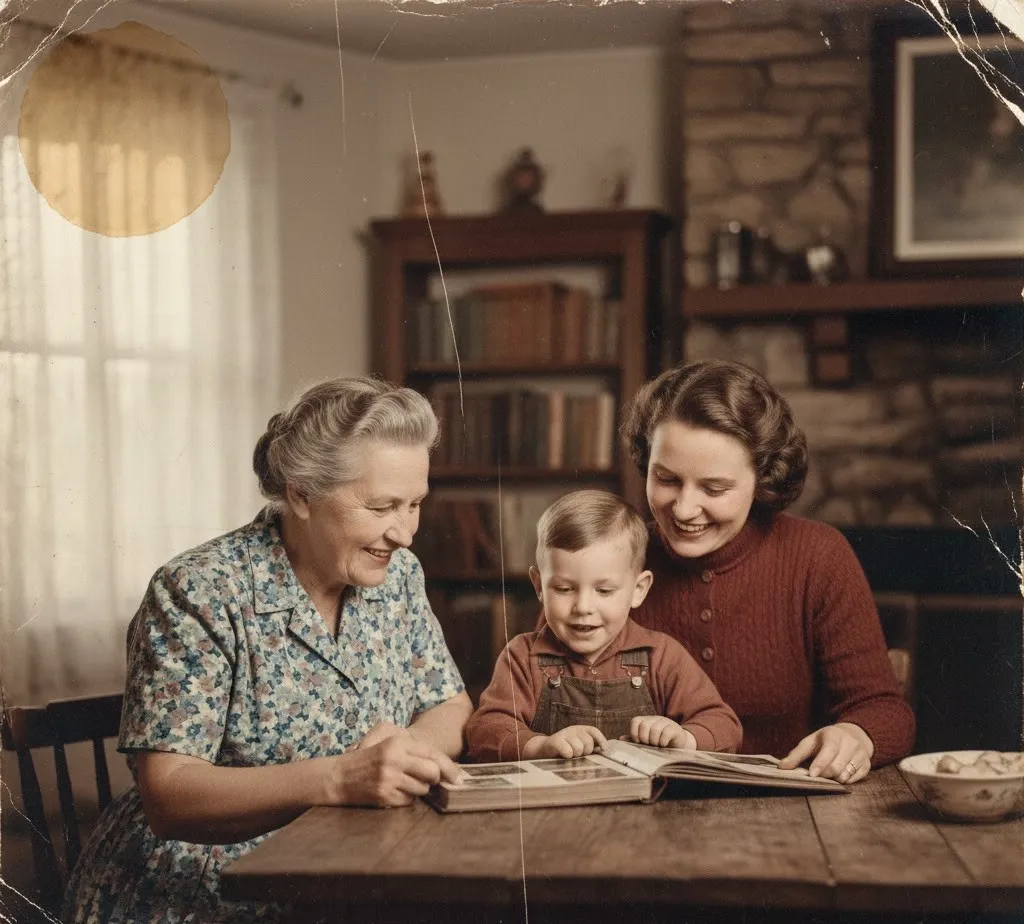
Memorial digital restoration also makes it easier to share family history with future generations. Restored photos can be saved digitally, printed, or included in family albums. They allow children and grandchildren to see faces and moments they never experienced firsthand. These images help keep family stories alive and personal. In this way, restoration turns fragile photos into lasting pieces of family heritage.
Helpful tips for readers:
- Label restored photos with names and dates if possible
- Store digital copies in more than one location
- Print restored images using quality materials
- Share restored photos with family members to keep stories alive
Helping Future Generations See and Feel the Past
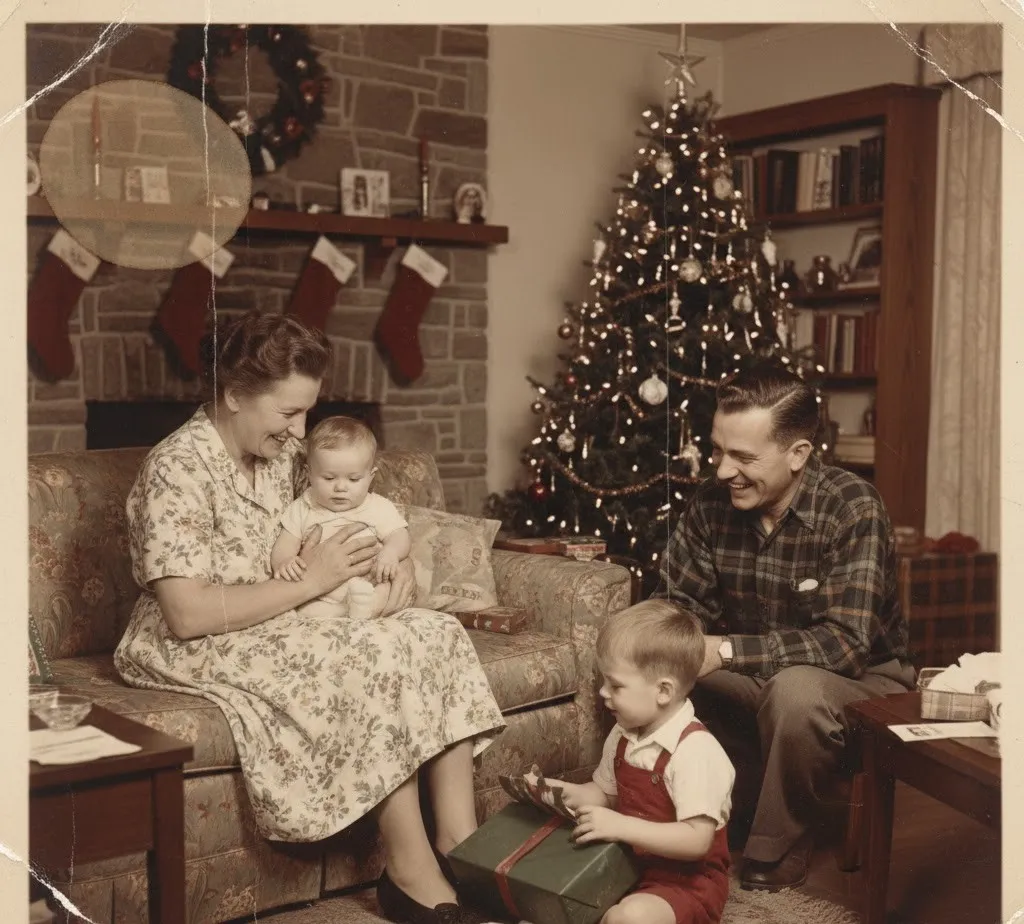
Helping future generations see and feel the past is one of the most meaningful benefits of memorial digital restoration. Old photos connect young family members to people and moments they never met or experienced. When images are clear and well preserved, they become easier to understand and appreciate. Faces, places, and emotions feel more real when details are restored. This helps history feel personal instead of distant. Memorial digital restoration allows stories to be passed down with visual proof. Restored photos support family stories and make them more engaging for children and grandchildren. They help create a stronger emotional connection to family roots.
Seeing a loved one’s smile or surroundings can spark curiosity and conversation. Over time, these restored images become valuable tools for keeping family memories alive.
Helpful tips for readers:
- Share restored photos along with written or spoken stories
- Create digital albums that are easy for younger family members to access
- Update and back up files regularly
- Encourage family discussions using restored images
Memorial Digital Restoration as a Way to Honor Loved Ones
Memorial digital restoration is a meaningful way to honor loved ones and keep their memory alive. Old photos often hold deep emotional value, especially when they serve as the few remaining reminders. Restoring these images helps people preserve how they remember a loved one in life. Editors carefully restore the photos to respect both the person’s appearance and the moment take. This gentle restoration allows families to feel close to those they miss.
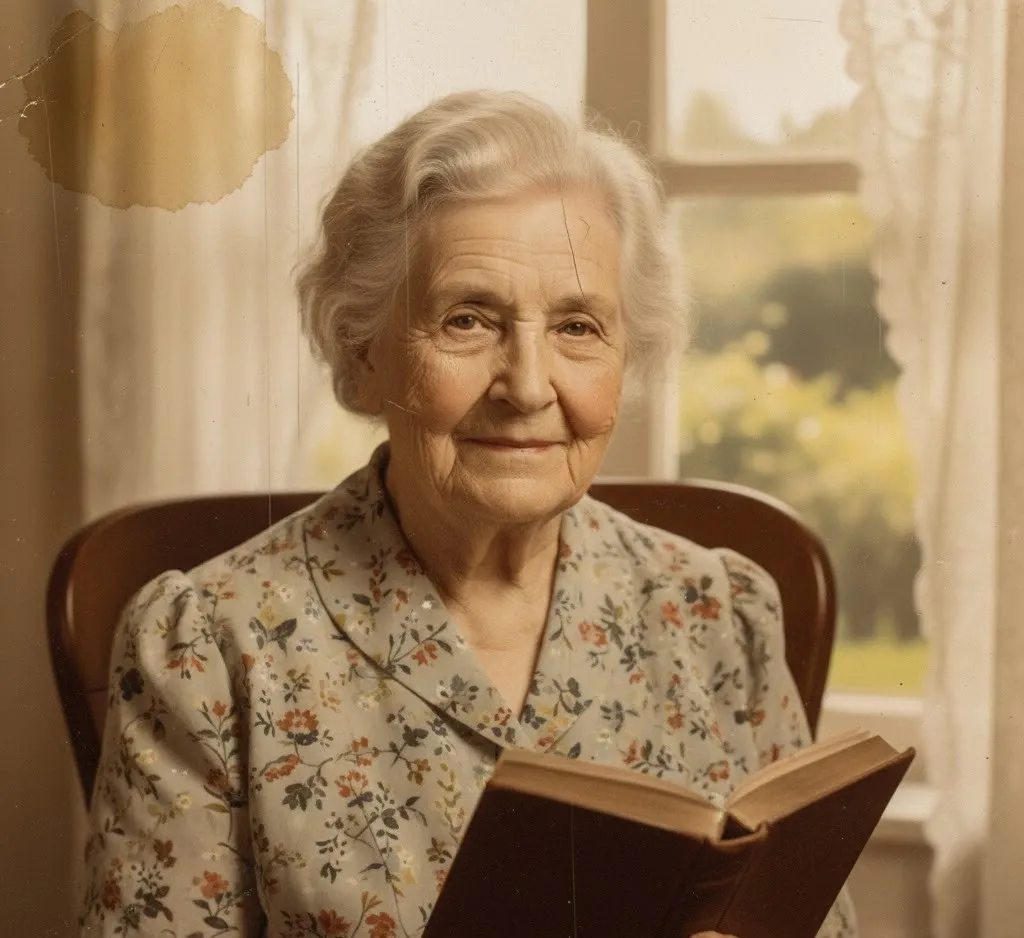
Honoring loved ones through memorial digital restoration also provides comfort and connection. They help families reflect on shared moments and celebrate a life lived. Seeing a clear and familiar image can bring peace and warmth. In this way, restoration becomes more than editing; it becomes an act of remembrance.
Helpful tips for readers:
- Choose photos that hold strong emotional meaning
- Avoid changes that alter a loved one’s true appearance
- Keep both original and restored copies
- Use restored images in meaningful displays or albums
Conclusion
Memorial digital restoration shows us that preserving photos is really about preserving love, stories, and connection. Each restored image gives old memories a chance to be seen and felt again. These photos help families remember, share, and honor the people who shaped their lives. They also create a bridge between past and future generations. Have you ever restored a photo that meant a lot to you, or do you have one you wish you could bring back to life? Share your thoughts or experiences in the comments, we’d love to hear your story.
Read Next: Professional Image Restoration Services for Damaged Photos