
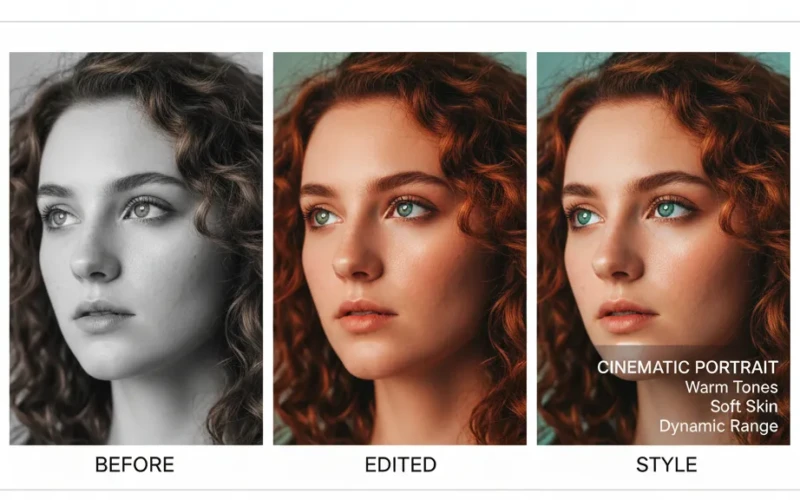
Discover Photo Editing Styles and Impact on Your Photography
Photo editing styles can completely change the way your photos look and feel. Different styles of photo editing like bright and airy, moody, or high-contrast can give the same image a totally different vibe. Learning about these styles helps you decide how you want your work to appear and what will grab attention. Editing isn’t just about fixing mistakes; it’s about improving your vision and making your images stand out. Even small adjustments to color, lighting, or sharpness can make a huge difference in the final result. Understanding the impact of each style helps you tell a story through your photos and connect with viewers.
Knowing which editing style works best also helps you stay consistent on your portfolio or social media. For instance, a consistent look can make your brand feel professional and recognizable. Some styles work better for portraits, while others shine in landscapes, products, or creative shoots. Experimenting with different techniques allows you to see what complements your subject and your personal style. Over time, you’ll learn which adjustments improve your images without overdoing them. The right editing choices can transform ordinary photos into eye-catching, professional-quality work that leaves a lasting impression.
How Different Photo Editing Style Can Improve Your Photography
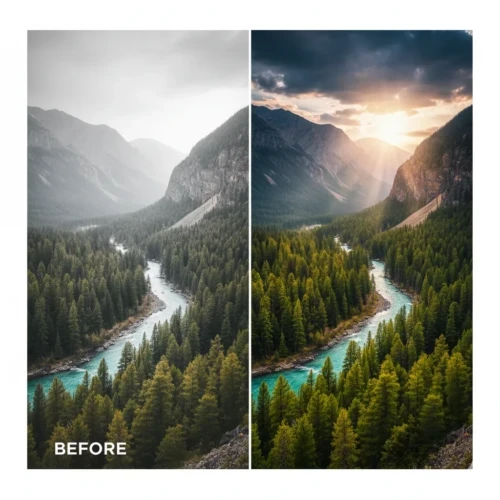
Using different photo editing styles can completely change the way your images are perceived. A warm, bright edit can make photos feel inviting and cheerful, while a moody, darker style can add drama and emotion. By experimenting with colors, contrast, and lighting, you can emphasize the story or feeling you want your photo to convey. Even small tweaks, like adjusting saturation or adding subtle shadows, can make an ordinary shot look professional. Different styles also help your photos stand out, even if you’re sharing them online, selling products, or building a portfolio.
Exploring various editing approaches also helps you develop a unique visual signature for your work. Some styles are better for certain types of photography, like soft and airy edits for lifestyle images or high-contrast, sharp styles for product shots. By trying multiple techniques, you learn what works best for your subject and audience. Here are some tips to get started:
- Test different color palettes to see which mood fits your image.
- Play with contrast and brightness to highlight important details.
- Experiment with warm vs cool tones to change the feeling of the photo.
- Use subtle effects like vignettes or soft sharpening.
- Keep your edits consistent if you want a professional-looking portfolio or feed.
By understanding and using different editing styles, you can make your photography more versatile, engaging, and memorable. Small changes can transform ordinary images into striking visuals that grab attention and express your creative vision.
Understand the Power of Photo Editing Style
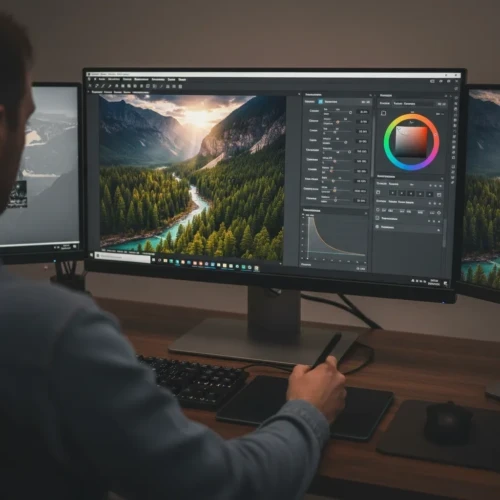
Photo editing styles isn’t just about making a picture look pretty it’s a tool that can completely change the mood and impact of your image. The way you adjust colors, contrast, lighting, and sharpness can make a photo feel bright and lively, calm and soft, or dramatic and intense. A consistent style also helps viewers recognize your work and gives your photography a professional, cohesive look. Even subtle choices, like slightly warming a photo or boosting certain colors, can make the subject stand out and tell a stronger story. Exploring different styles also allows you to experiment with your creative vision. Some styles suit certain types of photography better like high-contrast edits for fashion or crisp, clean tones for product photography.
Playing with various techniques helps you discover what best highlights your subject and appeals to your audience. Here are some tips to harness the power of editing style:
- Decide on a mood or feeling you want your photo to convey.
- Use color grading to create harmony or contrast in the image.
- Adjust light and shadow to guide the viewer’s eye.
- Keep a consistent approach across similar images for a polished portfolio.
- Don’t overdo effects; subtlety often makes images feel more natural and professional.
Choose the Right Look for Your Photos
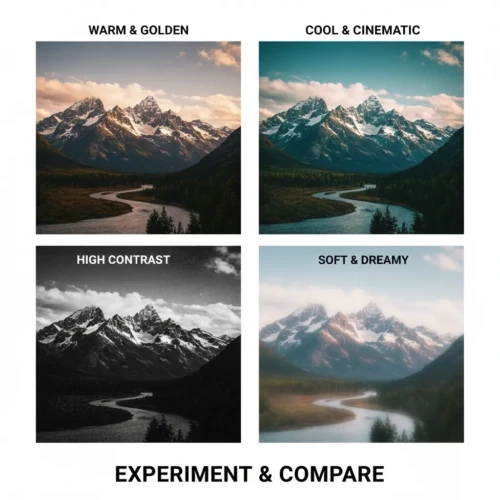
Choosing the right look for your photos is all about matching the style to the story you want to tell. A bright, airy edit can make images feel fresh and inviting, perfect for lifestyle or home photography, while darker, moody tones can add drama and emotion, great for portraits or artistic shots. The “look” you choose affects how viewers perceive your subject and can even influence their emotions. It’s not just about making things pretty it’s about creating the right impression and making your photos memorable.
Picking the right look also helps you stay consistent across your work, either it’s for social media, a portfolio, or an online store. Consistency builds trust and helps your audience immediately recognize your style. To find the perfect look, try experimenting with different techniques and compare how each one changes the feel of the image. Here are some tips:
- Decide on the mood or feeling you want your photo to convey.
- Test different color tones and lighting adjustments to see what fits best.
- Keep your edits subtle for natural-looking results, unless a dramatic effect is your goal.
- Use presets or templates for similar images to maintain a cohesive style.
- Review your images as a whole to make sure the look works across all photos in a series.
By choosing the right look for your photos, you can make each image more engaging, professional, and aligned with your creative vision. It turns ordinary shots into visuals that truly capture attention and tell a story. Struggling to find the right look for your photos? Let us help you pick the perfect style and make your images shine.
Develop Your Personal Editing Signature
Developing your personal editing signature means finding a style that makes your work recognizable and consistent. It’s not just about fixing grammar or cutting mistakes it’s about shaping tone, clarity, and flow in a way that reflects your standards. Over time, you’ll notice patterns in how you revise sentences, structure paragraphs, or tighten ideas. Maybe you prefer clean and concise writing, or maybe you like adding a bit of personality while keeping it polished. Your editing signature grows from practice, feedback, and paying attention to what feels right to you. The more you edit, the clearer your natural preferences become.
To build that signature, you need to be intentional about how you approach revisions. Ask yourself what kind of reading experience you want to create and what details matter most to you. Some editors focus heavily on clarity and logic, while others are strong at improving tone and engagement. There’s no single correct style, but consistency is key. When your edits consistently improve structure, readability, and voice, people start recognizing your touch. That’s when you know you’re developing your own editing identity. Our expert editing services guide you in building a consistent, recognizable, and a signature look for every piece of your work.
Why Choosing the Right Photo Editing Style Matters for Your Audience

Choosing the right photo editing styles matters because it directly affects how your audience feels when they see your work. Editing isn’t just about adjusting brightness or colors; it sets the mood and personality of your photos. A warm and soft style can feel inviting and emotional, while a bold and high-contrast look can feel powerful and dramatic. If your editing style doesn’t match your message, it can confuse viewers or make your content feel inconsistent. When your visuals align with your purpose, your audience connects more easily. That connection builds trust and keeps people coming back to your work. Your editing style also helps shape your brand identity. When people can instantly recognize your photos because of the colors, tones, or overall vibe, that’s a strong advantage.
Consistency makes your content look professional and intentional instead of random. It also helps attract the right audience the people who genuinely enjoy your aesthetic. Choosing the right style means thinking about who you’re trying to reach and what story you want to tell. When your editing matches your audience’s expectations and emotions, your photos become more impactful.
Tips for choosing the right editing style:
- Think about the mood you want your photos to communicate.
- Consider who your target audience is and what they like.
- Stay consistent with colors and tones across your posts.
- Avoid over-editing keep it natural and balanced.
- Experiment, but refine your style over time.
Adapting Your Photo Editing Style for Different Photography Genres
Adapting your photo editing styles for different photography genres is important because each genre tells a different kind of story. A wedding photo needs a soft and romantic touch, while street photography often looks better with stronger contrast and natural tones. The mood, lighting, and purpose of the photo should guide your editing choices. If you use the same editing style for everything, your photos might lose their emotional impact. Being flexible doesn’t mean losing your identity; it means adjusting your approach to fit the subject. A good editor knows when to improve gently and when to make bold changes.
Different genres also attract different audiences, and your editing should match their expectations. For example, product photography usually requires clean, bright, and accurate colors. Understanding the goal of the image helps you decide how much to adjust exposure, color grading, and sharpness. The key is balance keep your signature touch, but respect the genre’s natural style. When you adapt wisely, your work feels both professional and intentional. That flexibility can make you more versatile and in demand.
Balance Creativity with Authenticity
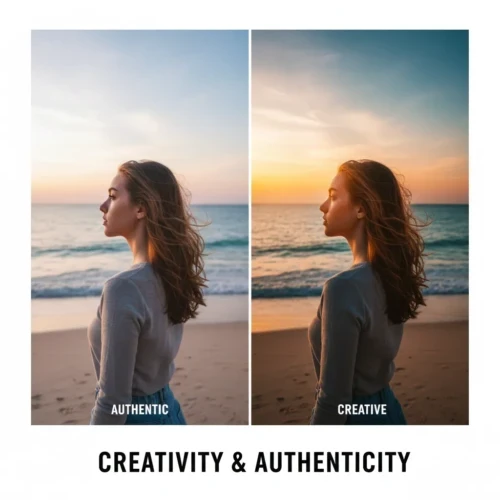
Balancing creativity with authenticity means making your edits unique without losing the true essence of the photo. It’s easy to get carried away with heavy filters, dramatic colors, or intense effects, especially when you want your work to stand out. But when creativity goes too far, the image can start to feel unrealistic or forced. Authenticity keeps your photos grounded and believable. It preserves natural skin tones, realistic lighting, and genuine emotions. When you combine creative touches with honest details, your work feels both artistic and trustworthy.
Creativity should improve the story, not overpower it. Think of editing as highlighting the best parts of the image rather than changing it completely. Small adjustments can often make a bigger impact than extreme edits. Staying authentic also helps build credibility with your audience because they know what to expect from your style. The goal is to create images that feel polished but still real. When you find that balance, your photos look intentional, expressive, and relatable at the same time.
Use Photo Editing Style to Correct Technical Limitations
Using your photo editing styles to correct technical limitations is a smart way to turn flaws into strengths. Not every photo is taken under perfect lighting or ideal conditions, and that’s normal. Sometimes images come out too dark, slightly blurry, or with colors that don’t look accurate. Editing allows you to fix exposure, adjust white balance, and improve sharpness so the photo looks more polished. Instead of seeing technical issues as failures, think of them as part of the creative process. With the right adjustments, you can rescue a photo and still stay true to your style.
That said, editing should improve the image without making it look unnatural. Over-correcting can introduce noise, strange colors, or harsh textures. The goal is to improve clarity and balance while keeping the photo realistic. A consistent editing style can also help hide minor imperfections by blending tones smoothly or controlling contrast. When you understand how to use editing tools properly, you gain more control over the final result. Strong editing skills can make average shots look professional and intentional.
Tips for correcting technical limitations:
- Adjust exposure and brightness before changing colors.
- Fix white balance to make tones look natural.
- Reduce noise carefully to avoid losing details.
- Use sharpening lightly to improve clarity.
- Crop or straighten the image to improve composition.
Conclusion
In the end, photo editing is more than just adjusting colors or fixing small mistakes it’s about shaping how your audience experiences your work. The style you choose can influence mood, highlight your subject, and even define your personal brand. By understanding different editing approaches, adapting to various genres, and balancing creativity with authenticity, you give your photos more depth and purpose. Small, thoughtful adjustments can turn simple images into powerful visuals that tell a story. As you continue experimenting and refining your style, you’ll build confidence and develop a look that truly feels like your own. Keep learning, stay consistent, and let your editing style reflect your creative vision.
Read Next: What Makes High-End Photo Editing Different from Basic Editing